
If you’ve ever tried to buy or sell a used record online, you’ve probably seen letters like NM, VG+, or (gasp) G+. To the uninitiated, it looks like a secret code. But to a vinyl collector, these letters are everything.
They are part of the Goldmine Grading System, the universal language for describing the condition of vinyl records. Whether you’re hunting for a holy grail at a local record fair or scanning your collection with the DiscSnap app to check its market value, understanding this scale is crucial.
Condition is the single biggest factor in a record’s worth. A pristine copy of The Beatles’ Yesterday and Today (the famous Butcher Cover) could sell for thousands, while a beat-up copy might fetch pennies on the dollar.
Let’s humanize this grading system so you know exactly what you’re looking at next time you drop the needle.
The Goldmine Standard: From Pristine to Unplayable
The Goldmine standard evaluates both the media (the actual vinyl playing surface) and the sleeve (the cardboard cover). Here’s the breakdown from best to worst.
Mint (M): The Holy Grail
What it means: Perfect. Unplayed. Often still sealed in its original factory shrink wrap (though some collectors argue even a sealed record can have factory defects). What it sounds like: Silence between the tracks. No crackle, no pops. Pure audio perfection. The Reality: You will rarely see an honest seller grade an unsealed record as Mint. It’s the unicorn of record grading.
Near Mint (NM or M-): As Good As It Gets
What it means: A nearly perfect record. It has likely been played, but the previous owner treated it like a museum artifact. The vinyl is glossy, there are no visible scratches, and the labels are flawless. What it sounds like: Fantastic. You shouldn’t hear any noticeable surface noise or audio flaws. The Reality: This is the highest realistic grade for used vinyl. When you buy a Near Mint record, you are paying top dollar, and you should expect an essentially flawless experience.
Very Good Plus (VG+): The Collector’s Sweet Spot
What it means: This record has been played and enjoyed, but lovingly cared for. You might see faint scuffs, slight spindle marks on the label, or very minor warps that don’t affect playback. The sleeve might have minor wear on the corners or a small price sticker. What it sounds like: Great. There might be a split-second of crackle during the quiet intro of a track, but the music shines through brilliantly. The Reality: VG+ is the bread-and-butter of record collecting. It provides the best balance of high-quality playback and affordable pricing. When evaluating prices on DiscSnap, the baseline market value is often anchored around the VG+ condition.
Very Good (VG): The Player’s Copy
What it means: A VG record tells a story. It has noticeable wear, visible scratches, and obvious signs of frequent handling. The cover might have ring wear (the circular impression of the record), seam splits, or writing from a previous owner. What it sounds like: You will hear surface noise. There will be crackles, pops, and hisses, especially in quiet sections, but the noise will not overpower the music. The Reality: VG records are affectionately called “player copies.” They aren’t going to win any beauty contests, but they are great for casual listening and are usually quite affordable.
Good Plus (G+) and Good (G): Proceed with Caution
What it means: “Good” in the record world actually means “pretty bad.” These records have significant wear, deep scratches that you can feel with a fingernail, and heavy groove wear. The cover is likely split, stained, or heavily taped together. What it sounds like: Continuous surface noise, loud pops, and potentially some skips. The noise is a constant companion to the music. The Reality: Only buy a G or G+ record if it is incredibly rare and you just want a placeholder copy until you find a better one.
Fair (F) and Poor (P): Wall Art
What it means: Mangled. Warped. Deeply scratched. The cover is falling apart or missing entirely. What it sounds like: Unlistenable. It will skip, get stuck, and sound like it was dragged across gravel. The Reality: These are destined for craft projects, bowl-making, or hanging on the wall of a hipster cafe. They have zero resale value unless it’s a piece of significant historical artifacts.
Why Grading Matters for Appraising Your Collection
If you’re using DiscSnap to scan your collection and track its value, you need to understand that the estimated prices are directly tied to condition. A median price shown in the app usually reflects an average VG+ market value.
- If your copy is Near Mint, it might be worth the highest end of that price spectrum.
- If your copy is VG or G+, expect it to sell for significantly less than the median.
Pro Tips for Grading Your Own Records:
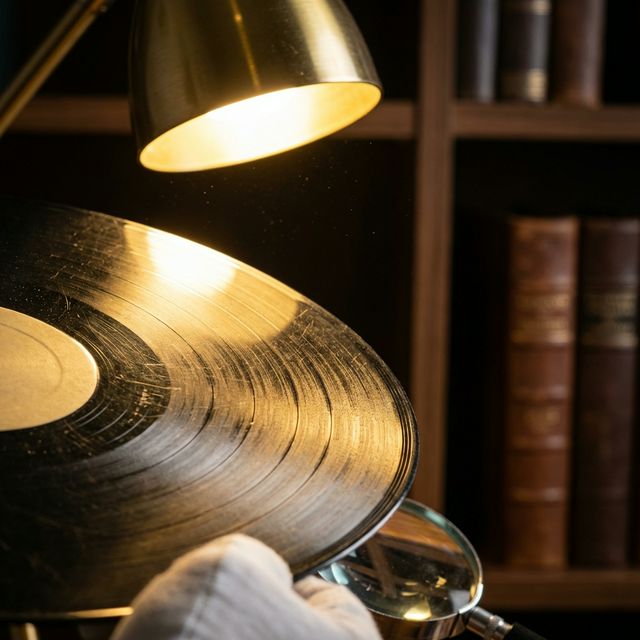
- Use Good Lighting: Always inspect your records under a bright, direct light source (like a halogen lamp or even your smartphone flashlight). Hidden scuffs become glaringly obvious under appropriate light.
- Be Honest: It’s human nature to over-grade our own possessions. If you’re on the fence between VG+ and VG, conservative sellers will grade it VG.
- Play Grade When Possible: A record might look VG but sound Near Mint, or look Near Mint but sound VG due to invisible groove wear. When in doubt, let your ears be the final judge.
By mastering the Goldmine standard, you aren’t just memorizing letters; you are learning how to evaluate the tangible history held within those black grooves. So grab your phone, scan your collection, assess its condition, and truly discover what your vinyl is worth.