DiscSnap’s value result is a research starting point, not a promise that a record will sell for a particular amount. The useful question is not “what is this worth?” in isolation. It is “what release did the scan identify, what condition is my copy in, and how should I investigate the number today?”
The Apple listing describes low, typical and high market-value guidance that can be kept with an identified item. The Android listing describes an estimated market value after identification. Those descriptions support interpreting a result, but they do not document a price provider, refresh interval, currency conversion, or a guaranteed sale. This guide explains the decisions around the result without inventing app controls.
What an estimate can tell you
An estimate is a broad signal attached to an identification. It may help you decide whether to inspect a record more closely, compare a purchase with other evidence, or keep better notes. It cannot prove that the scan selected the exact pressing, that your copy has the condition assumed by a market sample, or that a buyer will pay the upper number.
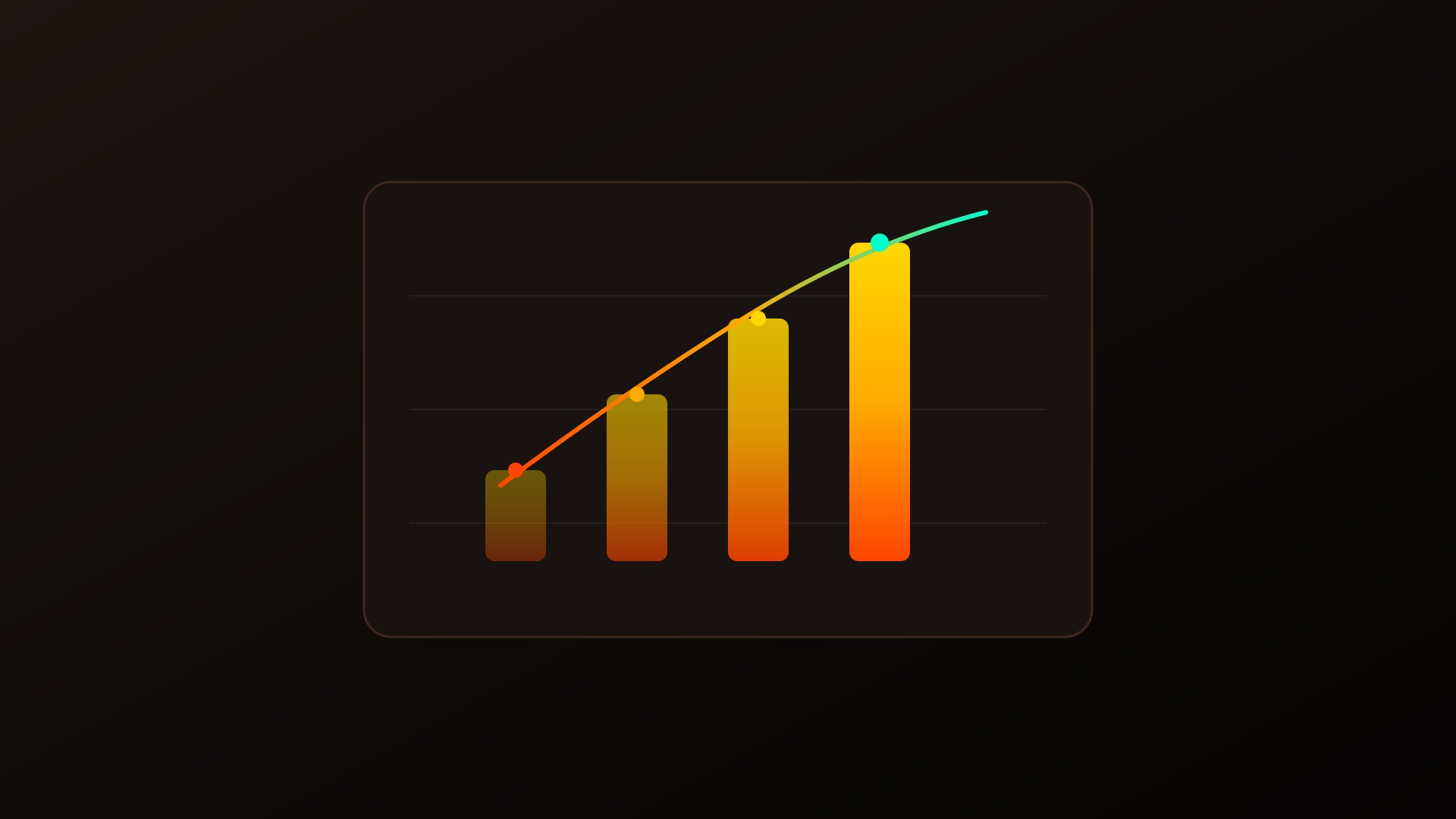
On iPhone, Apple’s public description uses three bands: low, typical and high. Treat them as a range of market guidance. On Android, the public description says estimated market value and does not establish the same three fields. Do not copy the iOS labels into an Android tutorial or imply that either platform exposes the same controls.
The following table is deliberately hypothetical. It shows how to reason about a result; it does not reproduce DiscSnap’s interface or report a real album’s value.
| Situation | App result to record | Collector’s next check |
|---|---|---|
| A common reissue is suggested | A broad estimate | Compare label, catalogue number and country |
| A rare-looking first pressing is suggested | Low/typical/high guidance on iOS, or an estimate on Android | Confirm release details and inspect condition |
| The sleeve matches but the label differs | Treat the result as uncertain | Photograph the label and consult a release database |
| No useful estimate appears | Record “not available” with the date | Research comparable completed sales or ask a specialist |
First confirm the release
Value follows the release and the physical copy, not just the artist and album title. Start with the title and artist, then compare the label design, catalogue number, country, format and number of discs. A UK mono edition, a US stereo reissue and a modern remaster can share artwork while having very different markets.
Use the scan to narrow the candidate. Read the result as a suggestion and place the record beside it. Check the centre label on both sides, the spine, the back cover and any insert. If the result names an album but your catalogue number belongs to another country, pause the valuation. A precise-looking number attached to the wrong release is still the wrong number.
Discogs’ collection and release documentation is useful for release-level research, but it is a separate service and database. Its pages can help you compare versions and sales context; they do not turn a DiscSnap estimate into an official Discogs valuation. Keep the external release URL and your own observations in your notes.
Condition changes the meaning of the number
Market guidance usually reflects copies in a mix of conditions. Your copy may be better, worse or incomplete. Inspect the record and sleeve separately. Look for hairlines, scratches, groove wear, spindle marks, seam splits, ring wear, writing, water damage and missing inserts. Listen to a quiet passage when a purchase or sale decision justifies the time. Do not award a grade from a photograph alone.
Use a consistent vocabulary such as the Goldmine scale, and explain what you observed. “VG+ vinyl, VG sleeve, original inner missing” is more useful than “good condition.” A low estimate might be more realistic for a worn copy; a high estimate may assume a clean, complete example. That is an interpretation, not a formula you can reverse-engineer from the app.
Estimate, asking price and completed sale
These three numbers answer different questions:
- An app estimate is guidance generated after an identification, using information available to the product at that time.
- An asking price is what a seller hopes to receive. It can remain unsold and can be strategically high or low.
- A completed sale is evidence that a buyer and seller agreed on a price for a particular copy.
When researching externally, compare like with like: same release, country, format, condition and completeness. Note the sale date and currency. A single spectacular auction is not a normal market range, and an unsold listing is not a sale.
Currency and date are part of the result
Never copy a number into a spreadsheet without its currency and observation date. A value shown in one currency may be useful for a local decision only after you confirm how the displayed currency was selected. The public listings do not document DiscSnap’s currency rules, so do not infer a live exchange rate or convert a result silently. If you convert a comparable yourself, preserve the original amount, the conversion date and the rate source alongside your converted figure.
Market context also changes. A result viewed in October is a snapshot of guidance available then, not a lifetime guarantee. Record whether an external comparable was a completed auction, a dealer sale or merely an active listing. A 2019 sale can explain history but may not describe today’s demand; a fresh listing can show current asking behaviour without proving that a buyer agrees. Keeping the dates side by side prevents a neat table from hiding incompatible evidence.
Three practical decision cases
If you are standing at a record fair, use the estimate to decide which details deserve a closer look. Photograph the label, check the catalogue number and inspect the sleeve before making an offer. Leave room for cleaning, shipping and the possibility that the copy is a different pressing.
If you are preparing a sale, do not paste the high band into an advert as the asking price. Describe your actual condition, include your own photographs and explain which edition evidence you checked. The estimate can inform a starting range; it does not replace a seller’s responsibility to describe the copy honestly.
If you are building an insurance inventory, preserve the identified release, condition notes, photographs and research links in your insurance inventory. Ask the insurer what kind of report it accepts. An in-app estimate may help prioritize a collection, while a formal appraisal may require an expert’s signature, a replacement-cost method or a valuation date. Those requirements belong to the insurer, not to the scan result.
A missing-estimate checklist
When the result has no useful figure, check four things before trying to force a conclusion:
- Is the candidate the correct release, including country, format and catalogue number?
- Did you capture a clear label or cover, and could glare or wear have hidden evidence?
- Have you separated the media condition, sleeve condition and missing contents?
- Did you write “not available” with a date and plan a later comparison?
These checks preserve an honest unknown. They also make a later scan or specialist answer easier to compare. A blank result is preferable to attaching a confident price to the wrong record.
Keep a dated valuation note
Write down the scan date, platform, app version if visible, identified release, condition observations, estimate wording, currency and links to external evidence. Do not silently replace an earlier value when the market moves. A later scan may use different available data, while your physical copy has not changed.
For example, a useful note might say: “28 October 2026; iPhone; suggested 1978 pressing; label and catalogue number checked; vinyl VG+, sleeve VG; iOS result shown as low/typical/high; external comparable checked in EUR on the same date.” That note makes the uncertainty visible and helps you revisit the decision.
When the result is missing or surprising
An absent estimate is not evidence of zero value. The release may be uncommon, the identification may be incomplete, or comparable data may be unavailable. Keep the record unresolved, add the physical details you can verify and research later. If a result looks implausibly high, check the edition before celebrating. If it looks low, check condition and whether the match is a later reissue.
Seek a dealer or specialist appraisal when the record may be unusually rare, an estate or insurance document requires a defensible report, or the evidence conflicts. An appraisal is a professional opinion with a scope and date; it is still different from a guaranteed selling price.
A careful DiscSnap workflow
Use a cover or label image to obtain a candidate, read the identification, and record the estimate in context. Then perform the physical checks before adding the figure to a buying, selling or insurance decision. The public store listings reviewed on 28 October 2026 support scanning, identification, value guidance and collection organization. They do not document every current button, subscription allowance or platform-equivalent field, so follow the controls visible in your installed app and keep uncertain results unresolved.
For the official product descriptions, see DiscSnap on the App Store and DiscSnap on Google Play. For broader valuation factors, see the vinyl valuation guide and the Goldmine grading guide. A scan can provide a starting point for the first research step; your copy, evidence and dated judgment remain the basis for a responsible valuation.
Editorial method: reviewed the public Apple listing (version 1.1.1) and Google Play listing (updated 8 April 2026) on 28 October 2026, alongside official Discogs collection documentation. No hands-on result, price feed, controlled test or appraisal is claimed.